
New Research Highlights WHS Risks for Sales and Service Workers
New research highlights WHS risks for sales and service workers, including physical injuries, psychosocial hazards and barriers to reporting safety concerns.

New research highlights WHS risks for sales and service workers, including physical injuries, psychosocial hazards and barriers to reporting safety concerns.

A Fair Work Commission decision has found that a farm employee did not resign following a misunderstood conversation with his employer.

When an employee stops attending work and won’t respond to calls or emails, it can be tempting to assume they’ve abandoned their employment. A recent

A recent Fair Work case considered whether an employee could work from home while acting as the primary carer for two young children, and when an employer may have reasonable grounds to refuse the request.

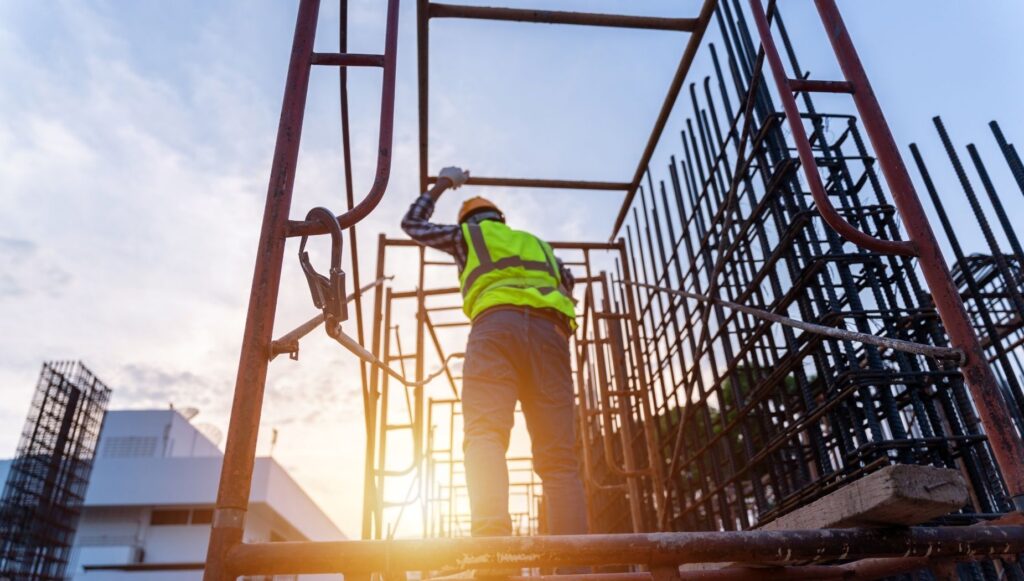
From 1 October 2026, Regulation 79 applies to high-risk construction work in WA following the end of transitional arrangements for fall prevention requirements.

A Western Australian construction company has received a record $1.75 million fine following the death of a worker

For regular casual employees, reducing hours may carry more risk than many employers realise.

This case highlights why clear procedures and effective controls matter long before something goes wrong.

From 1 December 2026, Australia will move from Workplace Exposure Standards (WES) to Workplace Exposure Limits (WEL) for airborne contaminants.

Performance management can be uncomfortable, but that doesn’t make it unlawful. A recent Fair Work ruling shows where the line is drawn.