Work Health & Safety
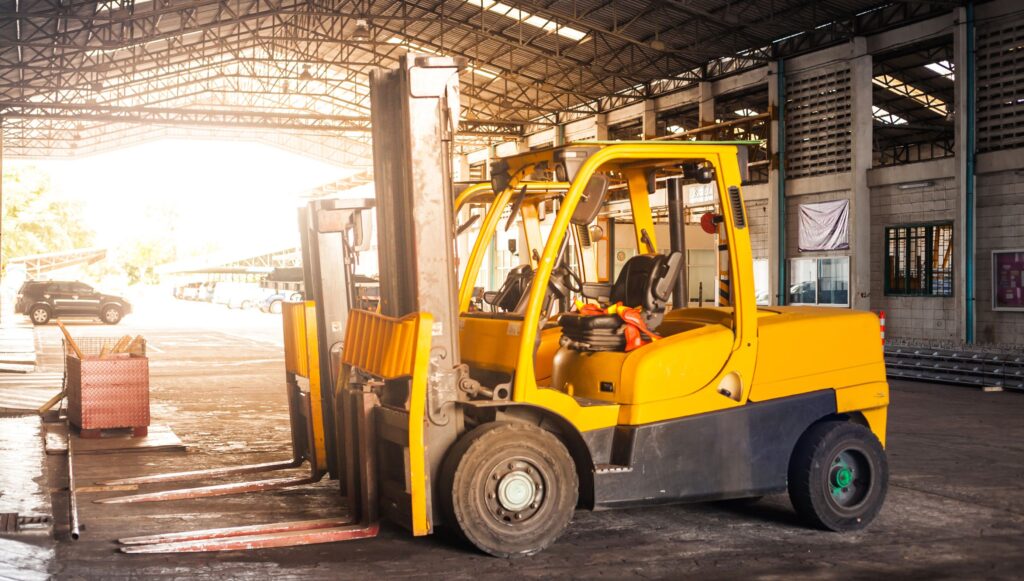
What Should Happen Before New Equipment Is Used?
Before new equipment is put to work, employers should consider safety checks, risk assessments and worker training to help ensure it can be used safely.

Before new equipment is put to work, employers should consider safety checks, risk assessments and worker training to help ensure it can be used safely.
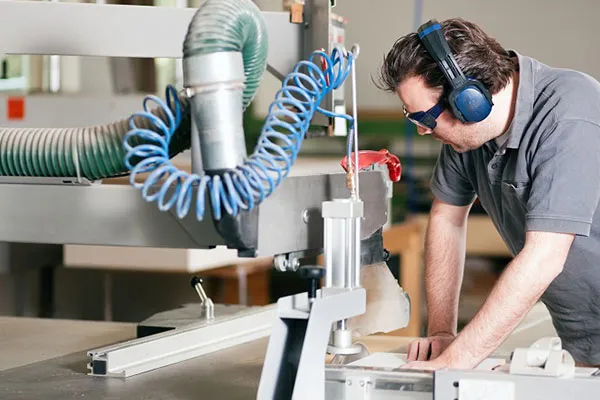
This year’s campaign theme is Safe work is for life, with the first week asking workplaces to come back to why WHS matters.
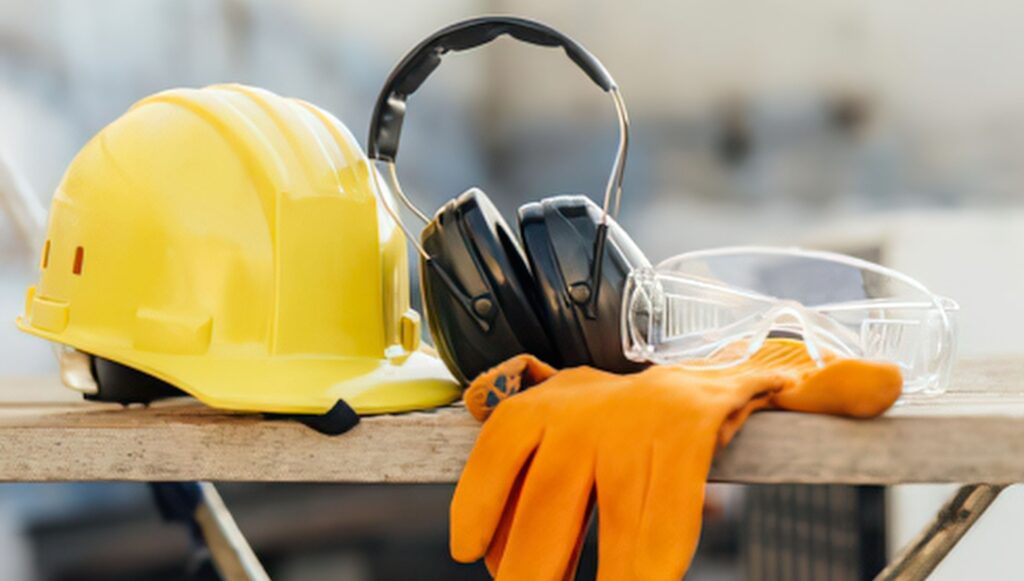
October is a good opportunity to check whether your WHS systems are keeping up with your workplace and identify where safety could be improved.
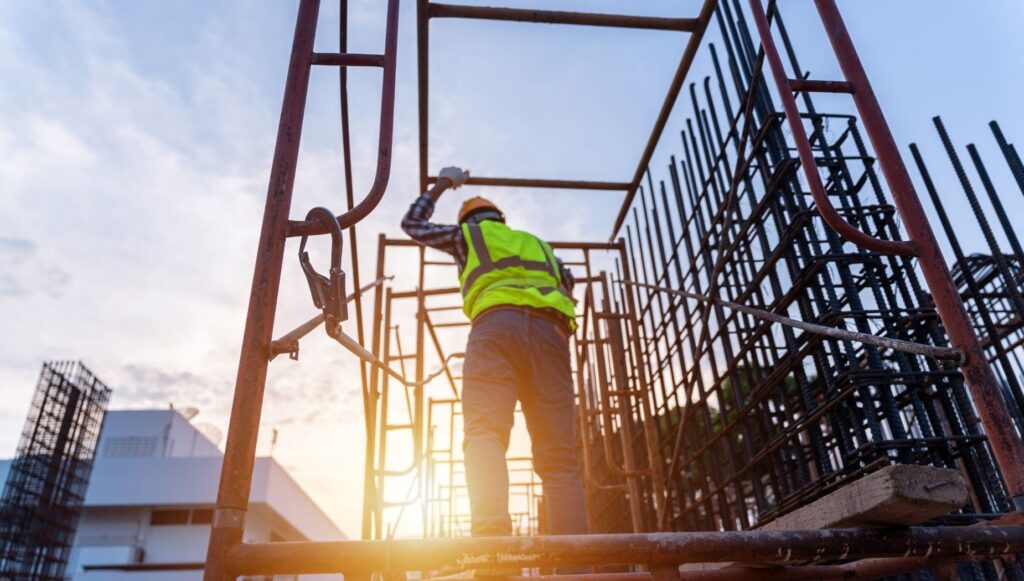
From 1 October 2026, Regulation 79 applies to high-risk construction work in WA following the end of transitional arrangements for fall prevention requirements.

A look into why incidents may occur, the same hazards are being identified, and safety gets disconnected from day-to-day work.
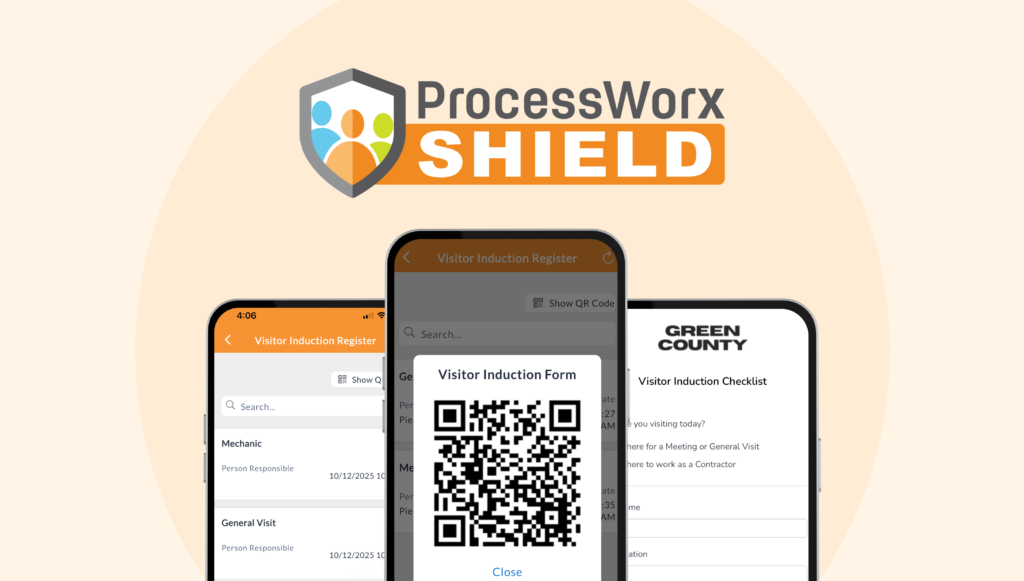
Managing who is on-site and ensuring they’ve been properly inducted is a key part of maintaining a safe and compliant workplace. We’ve introduced a new
Many businesses have a risk register in place but in practice, it’s common for the document to be completed once, filed away, and rarely referred

Running a business in Australia comes with clear Work Health and Safety (WHS) obligations. But for many small business owners, knowing what’s required, versus what’s

Knowing how to build a risk register is one of the most practical safety tools a business can have. It helps you identify what could
The beginning of the year is the ideal time for businesses to reset their approach to workplace safety. Teams are returning from leave, workloads are