Work health and safety comes with plenty of policies, procedures, risk assessments and records. But behind all of that is a fairly simple reason for doing it: people should be able to go to work without being harmed by the work they do.
That’s the focus of Week 1 of National Safe Work Month. This year’s campaign theme is Safe work is for life, with the first week asking workplaces to come back to why WHS matters.
For businesses, it’s a useful reminder not to let safety become something that only gets attention when there’s an incident, an audit or a document due for review.
At ProcessWorx, we help businesses build WHS into the way work is actually managed, from identifying risks and developing safety systems to training, inspections and ongoing support.
There Are People Behind the Paperwork
A risk assessment might be a document, but the hazard it identifies is real.
The same goes for an incident report, a safe work procedure or an equipment inspection. These processes exist to prevent someone from being injured or becoming unwell because of their work.
The consequences of workplace harm can also extend well beyond the person directly involved. An injury or illness can affect families, colleagues and the wider workplace.
Safe Work Australia describes this human impact as one of the reasons to reconnect with the purpose behind WHS during National Safe Work Month.
WHS Is Part of Everyday Work
Good safety management shouldn’t sit separately from the rest of the business.
It should influence how work is planned, how equipment is introduced, how employees are trained, how workloads are managed and what happens when someone identifies a problem.
That doesn’t mean every decision needs to become a complicated WHS exercise.
It means thinking about health and safety as part of the decision itself.
If a new piece of equipment is being purchased, what new risks will it introduce? If a role changes, does the worker need additional training? If workloads have increased significantly, what effect could that have on fatigue or psychosocial health?
The earlier those questions are asked, the easier it usually is to deal with the answer.
It’s About Health as Well as Safety
Not all workplace harm happens in a single incident.
Some risks can affect a worker gradually through repeated or prolonged exposure. Others can affect psychological health.
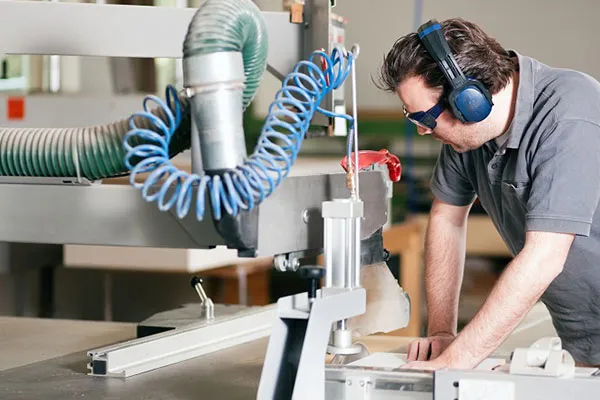
That’s why WHS needs to consider more than the hazards that are easiest to see. Depending on the workplace, this might include hazardous noise, repetitive manual tasks, chemicals, fatigue, high job demands, poor support, bullying or occupational violence and aggression.
Everyone Has a Part in It
Managers have responsibilities for how work is planned and managed, but workers also bring valuable knowledge about the jobs they perform every day.
Talk to them.
Ask what makes their work harder or less safe. Find out whether existing procedures actually match the job. Encourage hazards, incidents and near misses to be reported rather than worked around.
WHS works much better when it reflects what is happening in the workplace, rather than what everyone assumes is happening.
Turn the Conversation Into Something
Safe Work Australia is encouraging workplaces during Week 1 to talk about why WHS matters and identify at least one opportunity to make work safer or healthier.
That opportunity doesn’t have to be enormous.
It could be fixing a hazard that has been sitting on the list, updating an outdated procedure, checking in with workers about psychosocial risks or reviewing an area of the workplace that has changed.
If you’re looking for somewhere to start, we’ve put together a broader guide for National Safe Work Month. It steps through some of the areas worth reviewing and the actions businesses can take throughout October.
Need Support Managing WHS in Your Business?
Speak with a ProcessWorx Safety Advisor on (08) 9316 9896 or get in touch for guidance on reviewing your workplace risks and WHS systems.
Follow ProcessWorx on LinkedIn, Facebook, Instagram, YouTube, X and the Lets Chat HR & Safety podcast to keep up with the latest HR and Safety news.