
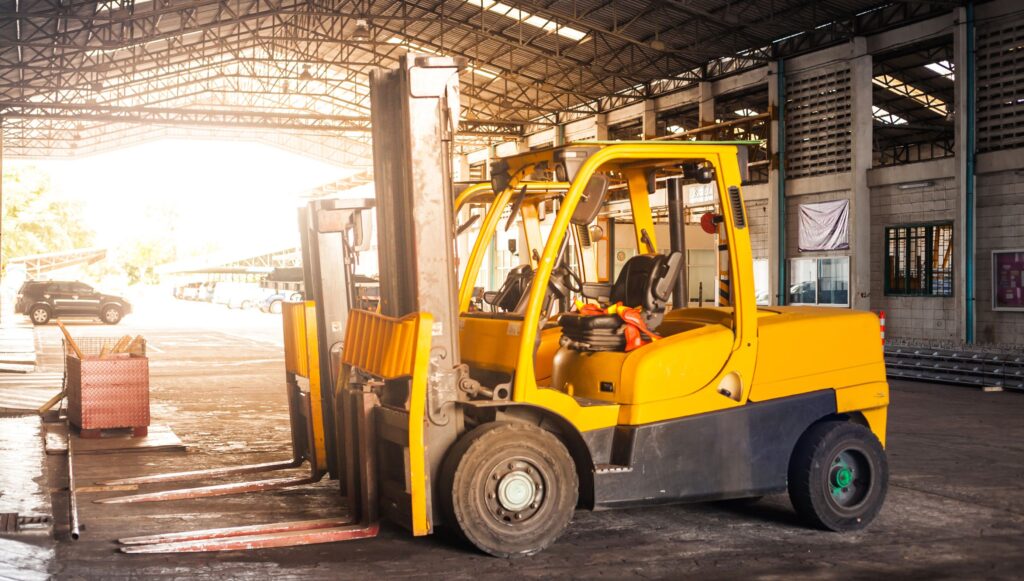
A new piece of equipment arrives at the workplace. Everyone wants to see it running, someone has probably already asked when they can use it, and there’s work waiting to be done.
But before it gets switched on, there are a few things to sort out.
New plant or equipment can introduce hazards, change the way a job is performed and affect workers and equipment working around it. Taking some time before it enters service can identify problems that are much harder to deal with once it becomes part of the everyday operation.
1. Identify any new risks
Start with the equipment itself but look beyond the obvious hazards.
Moving parts, pinch points, entanglement and crushing risks may be easy to identify. The equipment could also introduce more noise, vibration or dust, electrical or stored energy hazards, new manual handling tasks or different interactions between pedestrians and mobile plant.
Then look at how the equipment will actually be used. Where will it operate? What other equipment will be nearby? Can the operator see clearly? What happens when someone needs to clean it, clear a blockage or carry out maintenance?
New equipment can also create risks simply by changing an existing process.
Once hazards have been identified, eliminate risks where reasonably practicable or put controls in place to minimise them. Record the risks and controls in your risk register so they can be reviewed as the equipment settles into regular use.
2. Check the equipment before use
Before the equipment enters service, make sure it is fit for purpose and safe to operate.
Review the manufacturer’s instructions and specifications. Check guards, emergency stops and other safety devices, identify maintenance requirements and confirm whether any registrations, licences or other requirements apply.
It’s also worth looking at how the equipment fits into the workplace around it. A machine may be perfectly safe on its own and still create a problem when it is placed next to a pedestrian route, operated in a tight space or introduced alongside other moving plant.
3. Update the documents that need updating
Introducing new equipment will often mean some of your existing WHS documents need attention too. This could include your:
- Risk register
- Safe work procedures
- Pre-start checklists
- Inspection and maintenance schedules
- Emergency procedures
- Training and competency records
This shouldn’t be a matter of simply adding the equipment name to an old document. Look at whether the equipment changes the job, creates different hazards or requires workers to do something differently. Your documentation should reflect the work that is actually happening.
4. Train workers before they use it
Experience with similar equipment doesn’t necessarily mean someone knows how to use the new equipment safely. Workers may need to understand new controls, operating procedures, hazards, pre-start checks and manufacturer requirements. They should also know what to do if something goes wrong or a fault is identified.
Training is one part of this. Competency is another. Before a worker is expected to operate the equipment independently, make sure they can demonstrate that they understand how to use it safely. Depending on the equipment and the worker’s experience, additional supervision may be needed while they get familiar with it.
5. Think about what happens when it stops working
At some point, the equipment will need cleaning, servicing, inspection or repair. Something may jam. A guard may become damaged. A worker may notice a fault halfway through a shift.
Establish clear procedures from the outset for managing equipment faults, servicing and repairs. Workers should understand how to report faults, when equipment must be taken out of service, and any isolation or lock-out requirements that apply. The procedures should also identify who is authorised to perform maintenance or repairs and how all servicing and maintenance activities will be documented.
A quick fix can become the normal way of doing something surprisingly easily. Set the right process and expectations from day one.
6. Ask the workers who will actually use it
The workers who operate, maintain or work around new equipment may identify hazards or practical issues that were not apparent when it was purchased or installed. Consult with them before the equipment enters service and continue those discussions once they have had an opportunity to use it.
For example, visibility may be poorer than expected, a control may be difficult to reach, or the equipment may interact unexpectedly with another task or work area. Workers should be encouraged to report these concerns promptly.
If a new hazard, near miss or operational issue is identified, assess the risk and review the existing control measures. Update the controls where necessary and communicate any changes to affected workers.
Before You Switch It On
Finding an issue before the equipment enters service is usually much easier than finding it after something has gone wrong. Understand the risks, check the equipment, update the documents that need changing and make sure the workers using it know what they’re doing. Then monitor its usage once it is operational in the real workplace.
Introducing new plant or equipment and not sure what needs to be reviewed?
ProcessWorx can help identify risks or update your Risk Register, review your existing WHS systems and put the right processes in place before the equipment enters service. Contact us on (08) 9316 9896 or get in touch here.
Follow ProcessWorx on LinkedIn, Facebook, Instagram, YouTube, and X to keep up with the latest HR and Safety news.